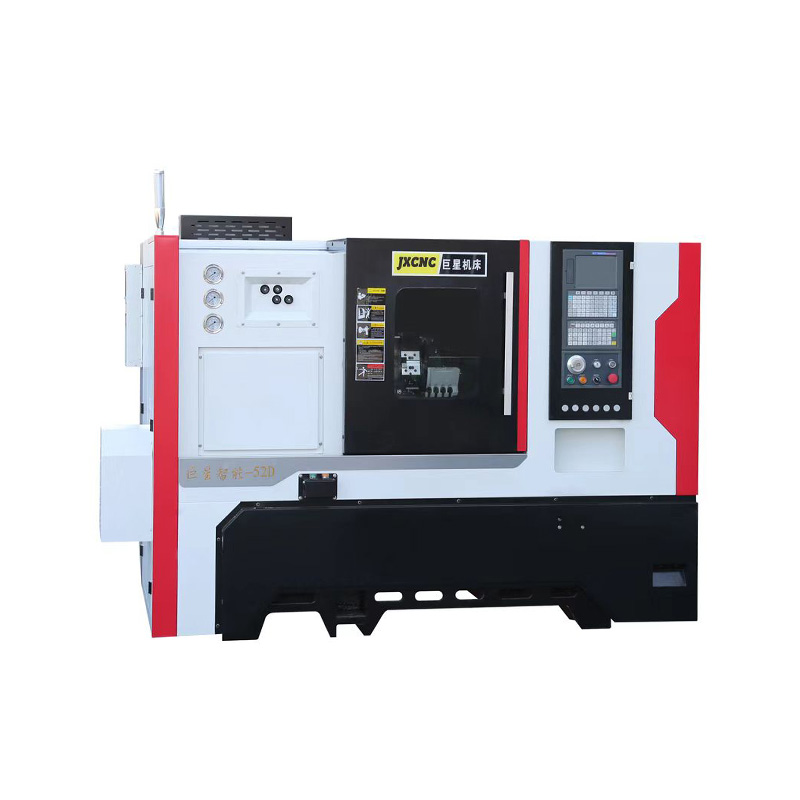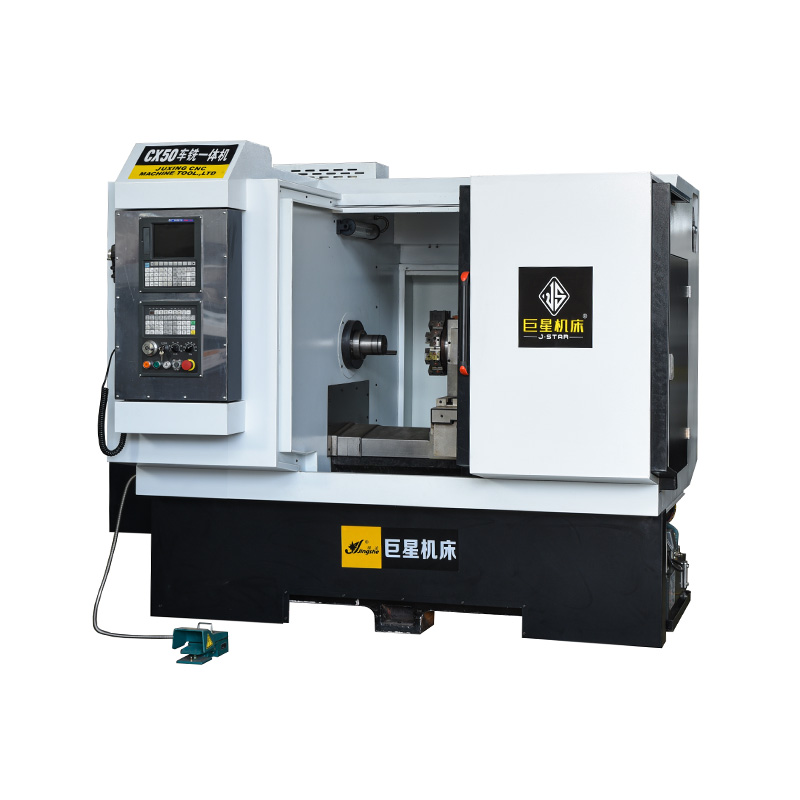


High-speed machining has changed the expectations of modern turning equipment. Customers no longer focus only on cutting speed or spindle power. They also pay c...
Polygon turning has gradually moved from a niche machining method into a widely discussed process in modern CNC production lines. Its ability to generate flats,...
Manufacturing expectations for turning components have shifted sharply in recent years. Tolerances are tighter, batch sizes are larger, and inspection systems a...
Mass production in metal cutting environments often looks stable on the surface, yet small variations accumulate across batches. A CNC machine lathe factory can...
Precision machining often focuses on spindle quality, tooling condition, and programming strategy. A less visible contributor sits inside the motion system itse...
CNC fly cutting is often chosen for face finishing because of its simplicity and ability to create wide, continuous passes. Despite that advantage, surface irre...
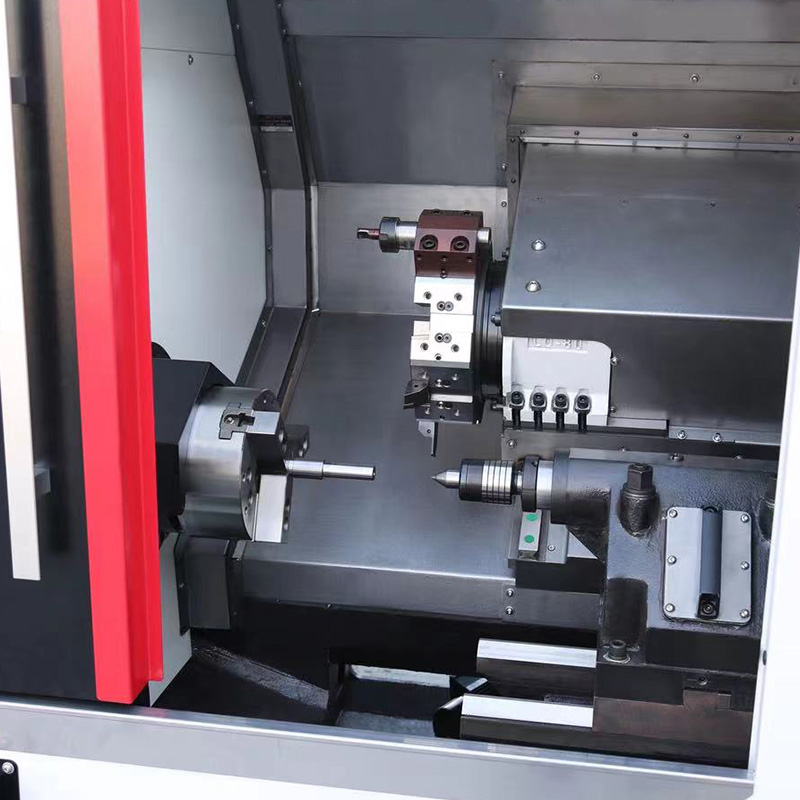
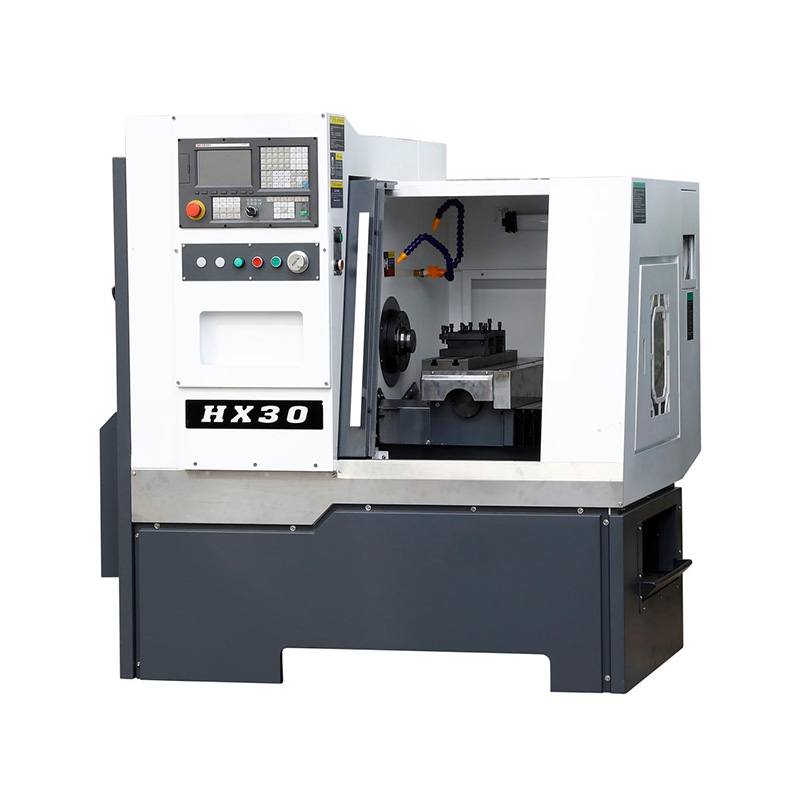
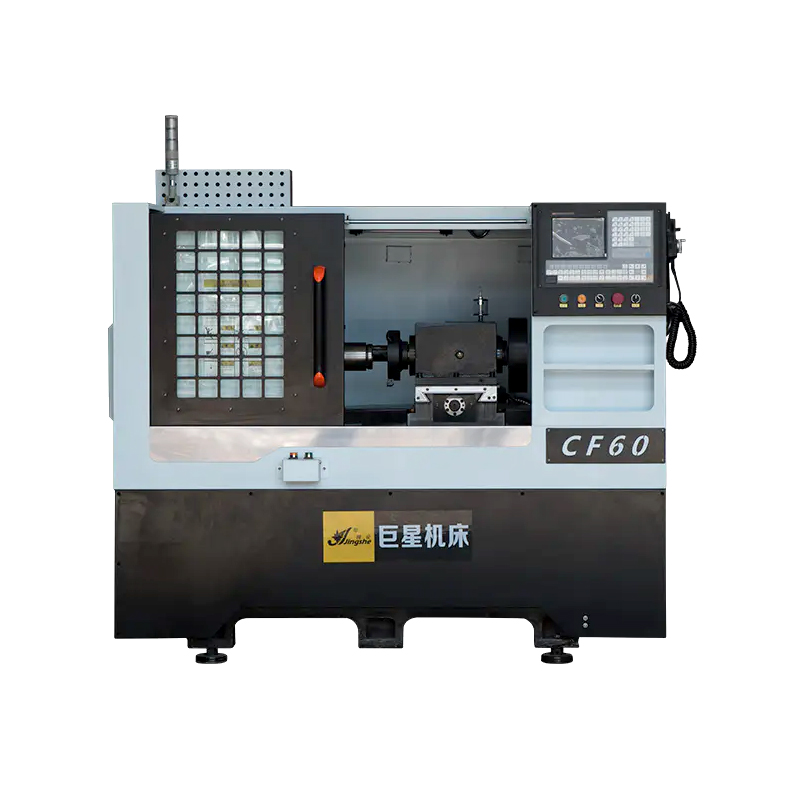
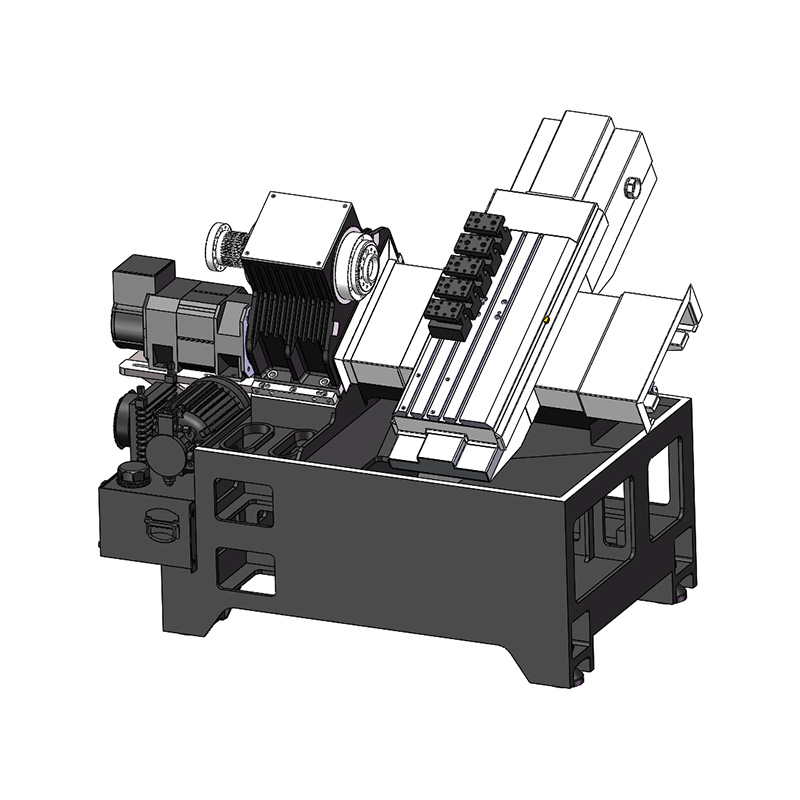
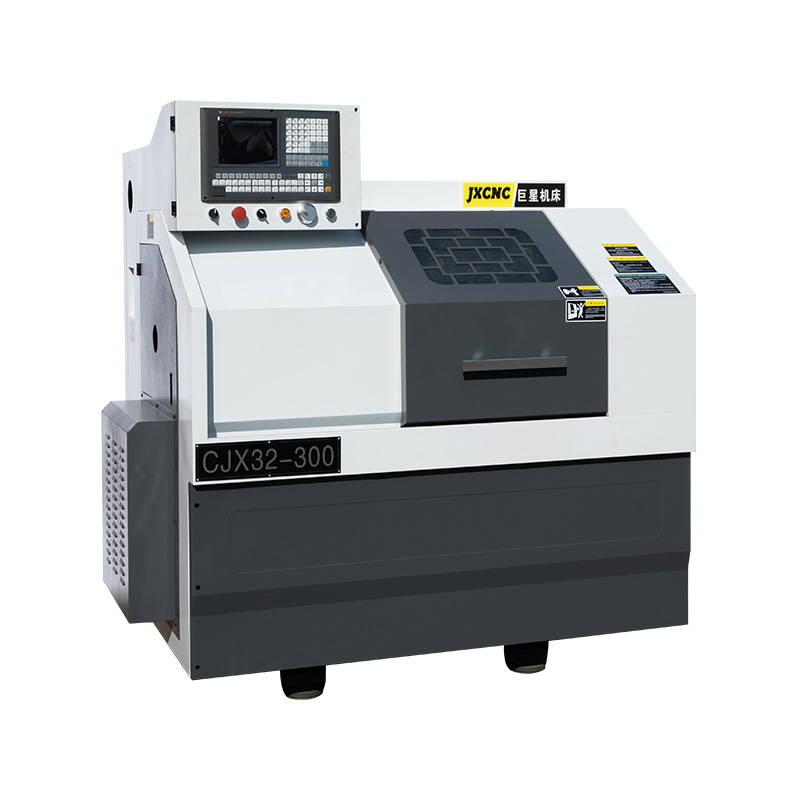
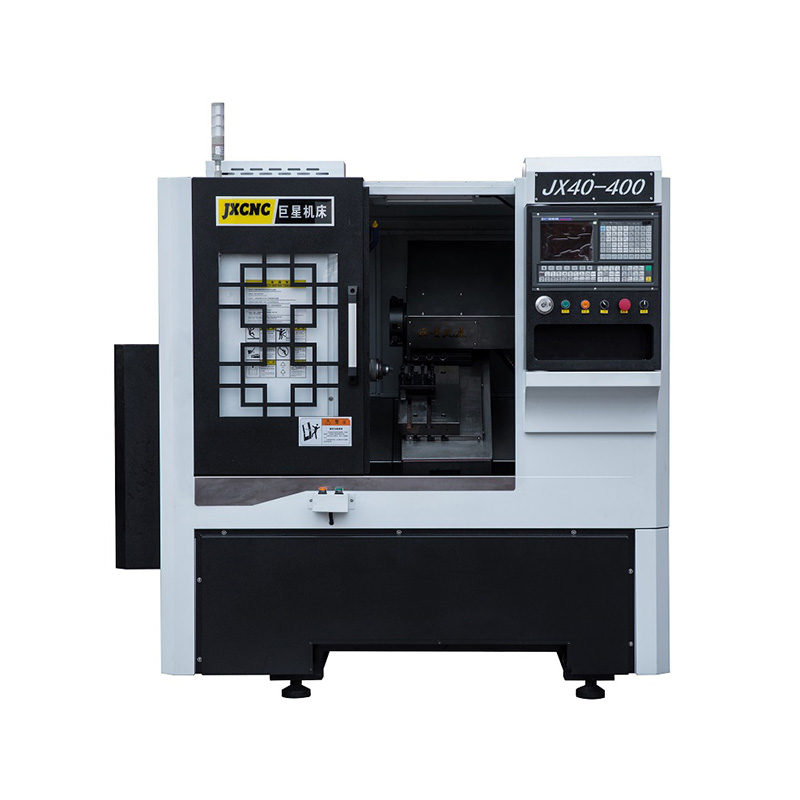
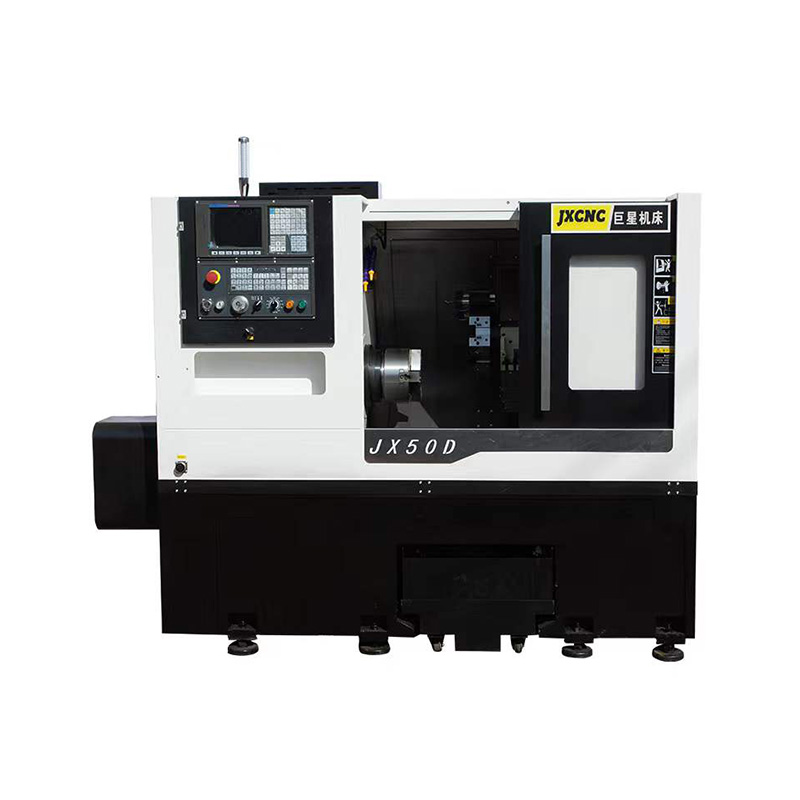
Horizontal CNC Lathe (2-Axis): The common configuration with a horizontal bed and spindle axis parallel to the floor. Two axes are X (cross travel) and Z (long...
Material Removal Strategies and Workpiece Positioning in CNC Milling Face milling for flat surface generation. CNC milling machines factory use rotating multi-...
Lead time is calculated from order acknowledgment to shipment. Several measurable factors influence this duration. Batch size and setup complexity: Setup time ...
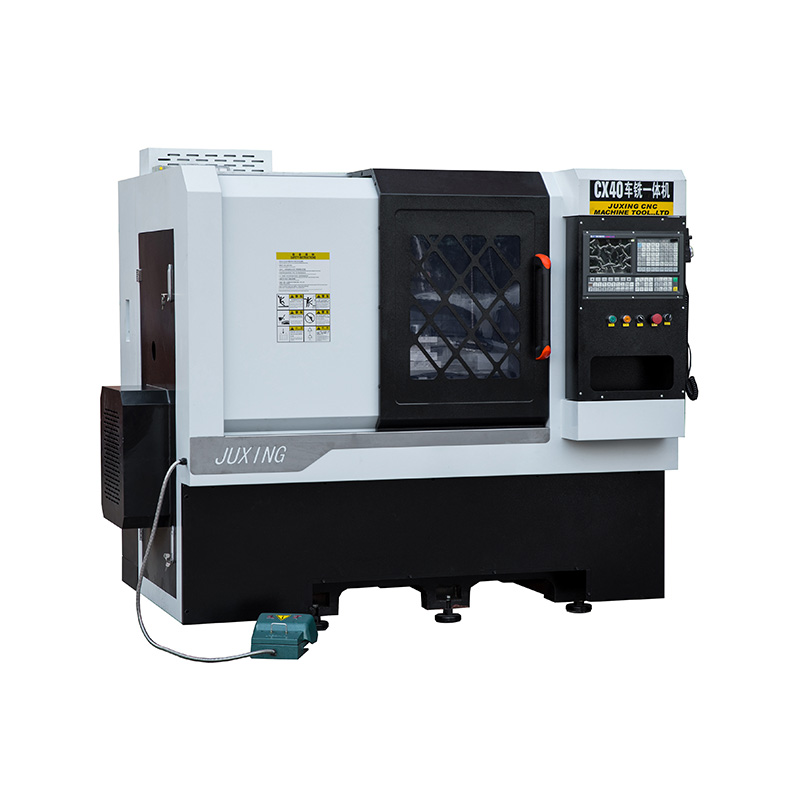
Producing hexagonal shafts, square drive ends, or multi-sided connector profiles on a conventional lathe is not straightforward — it typically means transferrin...
CNC machine tools factory are widely used in modern manufacturing for precise and automated machining of metal, plastic, and composite materials. These machines...
Selecting a CNC milling machine factory requires matching machine capabilities to the requirements of the parts to be produced. Several interrelated factors inf...
TEL : +86-576-87491531
FAX : +86-576-87493038
E-MAIL : chinajuxing@aliyun.com
ADDRESS: Longxi Industrial Zone, Yuhuan City, Taizhou City, Zhejiang Province, China
CopyrightTaizhou Yestar Intelligent Equipment Co., Ltd. All Rights Reserved.

 English
 中文简体
中文简体 русский